
The ‘Pathfinder’ Blueprint: A New Approach to Community-Led Breast Triage
A model designed to tackle health inequities.
By Miss Tasmia Tahmid, Consultant Oncoplastic Breast Surgeon and Founder of TACHRC CIC
Health inequality in breast cancer diagnosis is a persistent challenge. National data indicates that women from minoritised ethnic backgrounds are statistically more likely to present with Stage III or IV disease. In Portsmouth, our mapping of high-deprivation postcodes (PO1, PO4, PO5) highlights a significant ‘patient interval’ - the time from symptom onset to first presentation - often driven by language barriers, cultural modesty, and a lack of trust in traditional primary care access.
The Pathfinder Blueprint
To address this, TACHRC CIC has developed the Pathfinder Community Triage Service. This model is designed to move the ‘front door’ of the symptomatic pathway into the heart of the community, acting as a bridge between the Integrated Care Boards' (ICBs) population health goals and secondary care clinical excellence.
The model rests on three pillars:
- Community-Based Clinical Triage: Weekly triage sessions held in familiar, CQC-registered spaces (such as PCN hubs or community centers) to bypass traditional booking barriers.
- Clinical Integration: The model is built to plug directly into existing Breast Symptomatic Units. In Portsmouth, we have secured clinical endorsement from senior leadership at PHU to ensure a seamless "fast-track" for red-flag symptoms.
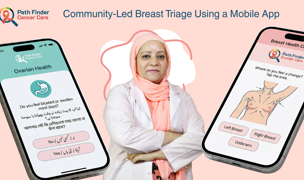
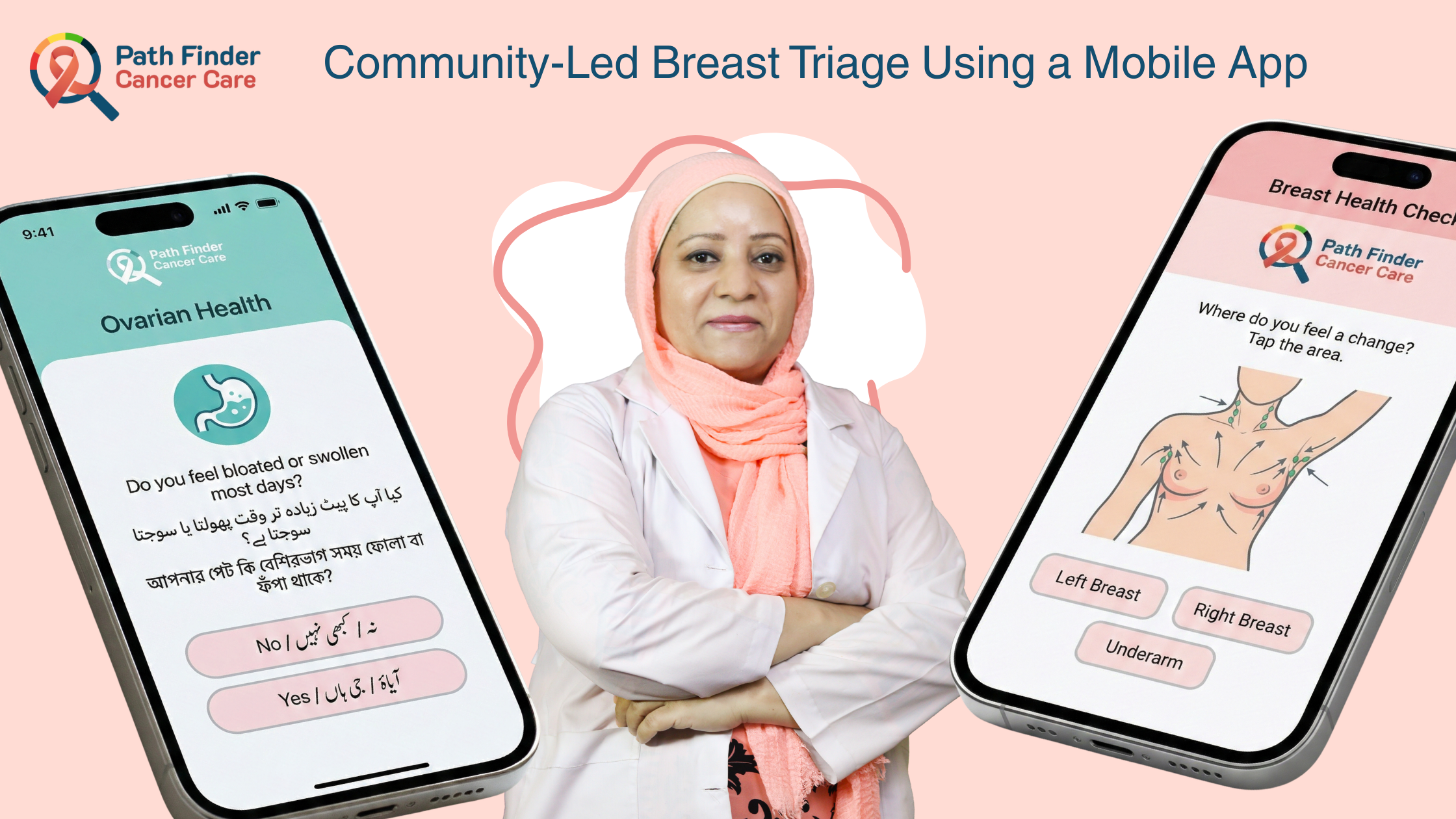
- The TACHRC App: A bespoke multilingual digital tool (Urdu, Bengali, Hindi and Arabic) providing culturally sensitive symptom education and tracking to support patient navigation.
Strategy for Scalability
A frequent challenge to community outreach is the sustainability of consultant time. The Pathfinder model uses a consultant-led pilot as a "Clinical Architect" phase. The goal is to define robust triage protocols and train Advanced Nurse Practitioners (ANPs) or Physician Associates (PAs) to lead future delivery, with consultants moving into an oversight role.
From a commissioning perspective, the logic is clear: catching just one case at Stage I rather than Stage IV significantly reduces treatment costs for the ICB, covering the operational costs
of the community sessions.
A Call for Academic and Clinical Partners
We are currently in the final stages of business case review for our Portsmouth pilot and are preparing for a mobilization phase in May 2026.
As we refine this blueprint, we are actively seeking:
- Academic Partners: We are looking to establish formal connections with research units to conduct a robust feasibility evaluation and economic impact study.
- Clinical Champions: We would love to hear from ABS members interested in piloting this "plug-in" model in their own regions, particularly those covering high-diversity or high-deprivation postcodes.
- Peer Feedback: We invite the membership to review our community-facing materials and digital logic to ensure the highest clinical standards as we scale.
By integrating community trust with surgical expertise, we can begin to close the gap in breast cancer outcomes.
For more information or to discuss a potential collaboration, please contact info@tasmiaasiffoundation.com.
Other News Articles